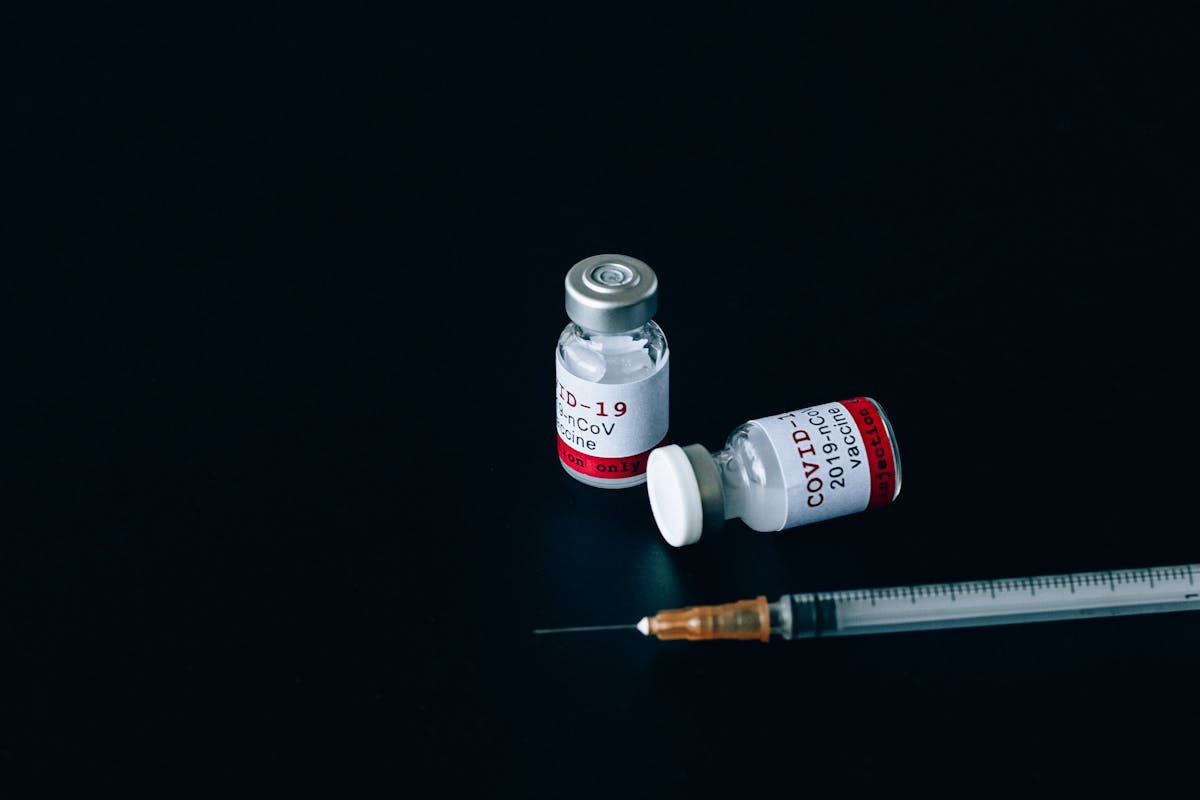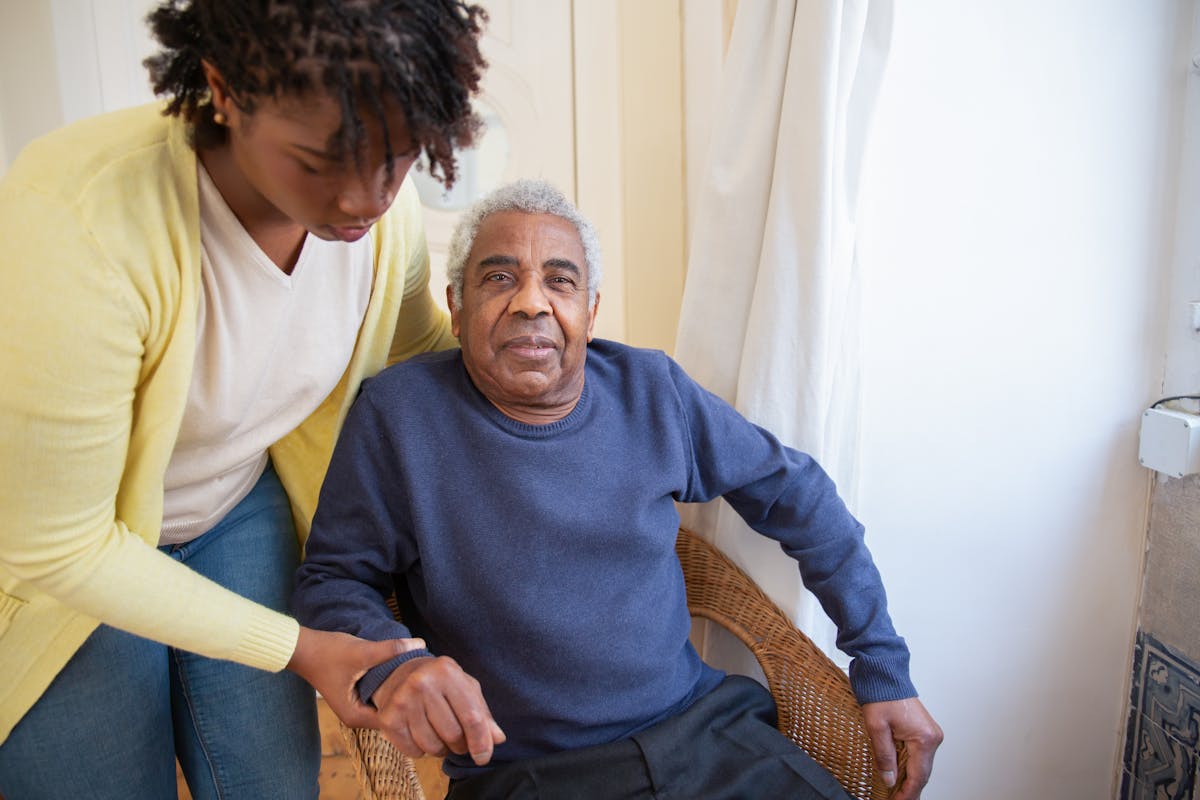
A clinical trial testing low-dose rapamycin in healthy elderly volunteers has 1 of immune function, providing human evidence for one of the most promising anti-aging interventions studied in animal models.
The study, conducted by resTORbio and 1 in Science Translational Medicine, showed that brief treatment improved vaccine responses and reduced infections in participants over age 65.
Why Rapamycin?
Rapamycin inhibits mTOR, a master regulator of cell growth and metabolism. mTOR inhibition activates autophagy for cellular cleanup, improves mitochondrial function, reduces inflammation, and enhances stem cell function. In every organism tested—yeast, worms, flies, mice—rapamycin extends lifespan. It remains the most consistently effective pharmacological intervention for aging.
The Immunosenescence Problem
Immunosenescence—aging of the immune system—is a major driver of mortality in the elderly. Older adults respond poorly to vaccines, are more susceptible to infections, and have higher cancer rates due to impaired immune surveillance. The thymus, which produces new T cells, shrinks dramatically with age and by 65 is largely replaced by fat.
Trial Design and Results
The Phase 2 trial enrolled 264 participants aged 65 and older who received either low-dose mTOR inhibitor, a combination treatment, or placebo. Treatment lasted 6 weeks, followed by flu vaccination and 12 months of monitoring. Treated participants showed a 20% improvement in antibody response to flu vaccine and a 40% reduction in respiratory infections over the following year. Immune markers showed increased naive T cells—a sign of immune rejuvenation—and reduced exhaustion markers on T cells.
Safety Considerations
Rapamycin is FDA-approved as an immunosuppressant for transplant recipients at much higher doses. Paradoxically, low doses appear to enhance rather than suppress immune function. Side effects in the trial were mild: mouth sores, diarrhea, and upper respiratory symptoms that resolved after treatment ended.
Current Access
Some physicians are now prescribing low-dose rapamycin off-label for healthy aging, though this practice remains controversial. AgelessRx offers telemedicine consultations for those interested. A larger trial called PEARL (Participatory Evaluation of Aging with Rapamycin for Longevity) is ongoing to better establish optimal dosing and long-term safety.
The Bigger Picture
This trial represents a crucial proof point: interventions that work in animal aging models can translate to humans. While we cannot yet say rapamycin extends human lifespan, the immune rejuvenation data suggests it is affecting fundamental aging processes.