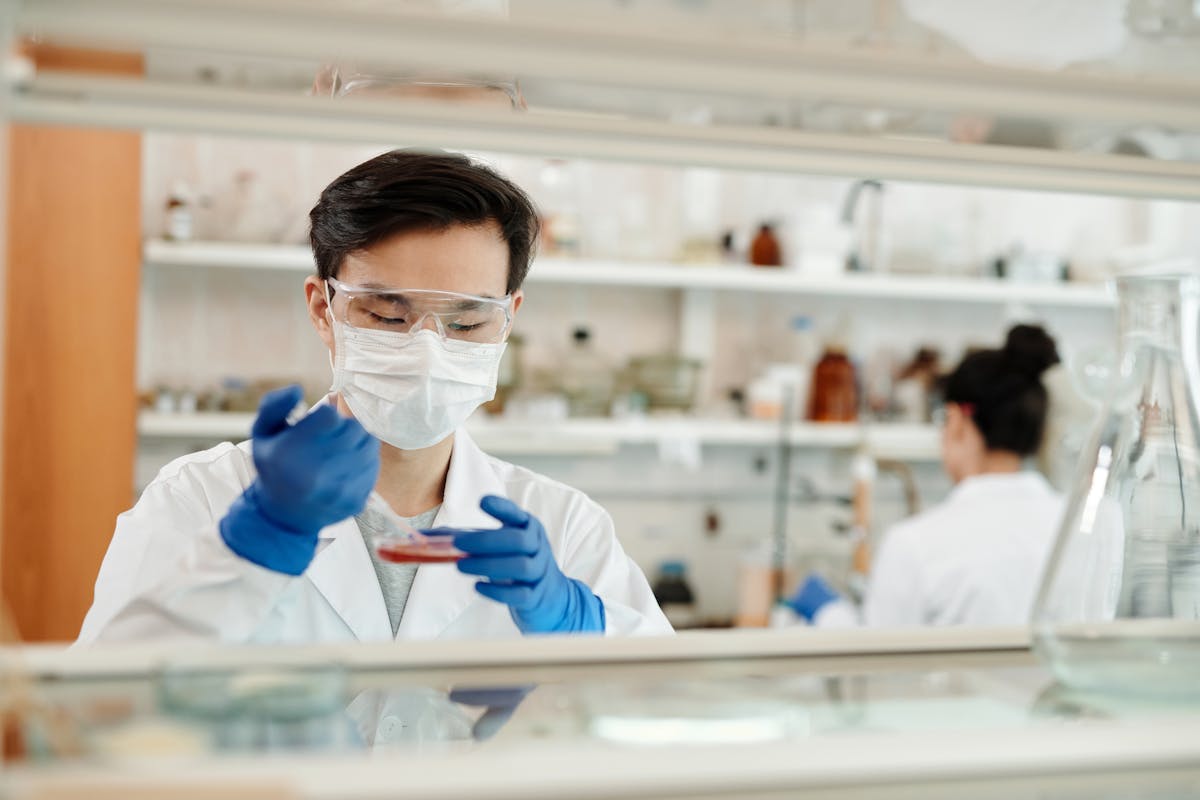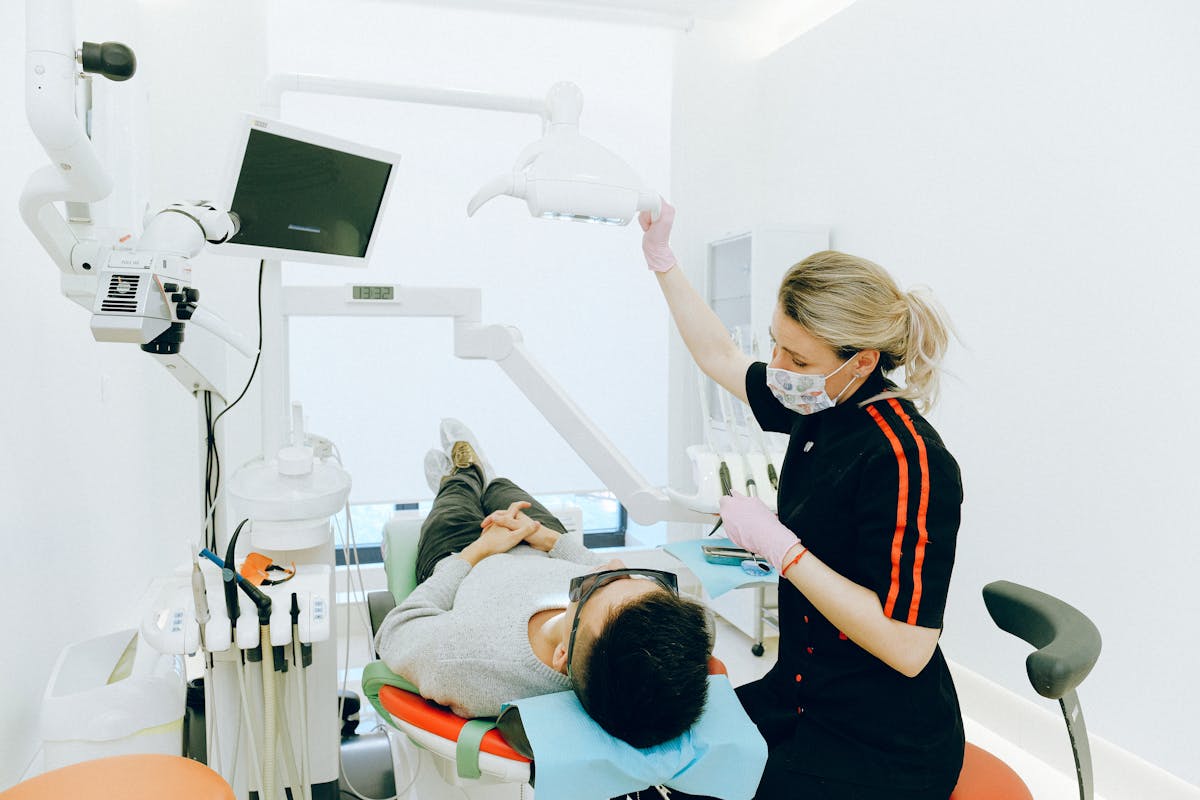
A drug that can regenerate teeth has 2 in Japan, potentially offering an alternative to dentures and implants for the millions of people who lose teeth to decay and disease. If successful, it could be the first therapy to regrow teeth in adults.
The trial, 1 at Kyoto University Hospital, tests a monoclonal antibody that blocks a protein called USAG-1, which normally inhibits tooth growth.
The Science of Tooth Development
Humans are naturally "diphyodont"—we grow two sets of teeth, baby teeth and permanent teeth. But buried in our genes is the capacity for additional sets. Some rare genetic conditions cause people to grow extra teeth, suggesting the developmental program can be reactivated. Researchers discovered that USAG-1 acts as a brake on tooth development. In mice lacking this gene, extra teeth spontaneously form. The new drug blocks USAG-1, releasing this brake.
Preclinical Results
Studies in mice and ferrets showed the antibody could regenerate single teeth that had been extracted, stimulate growth of new teeth in congenitally toothless animals, produce functional teeth with normal enamel, dentin, and roots, and integrate properly with surrounding bone and gums.
Human Trial Design
The Phase 1 trial will initially enroll patients with anodontia—a rare condition where people are born missing multiple teeth. This population was chosen because of clear medical need with no good current solutions, easier monitoring of new tooth growth, and lower risk since teeth are already absent. If Phase 1 succeeds, the company plans trials in patients who have lost teeth to decay or periodontal disease—a much larger potential market.
Commercial Potential
The dental implant market exceeds $5 billion annually. Natural tooth regeneration could capture significant share if proven safe and effective. Advantages over implants include natural tooth structure with sensation, no surgical placement required, potential for repeated treatment, and lower long-term complication rates.
Timeline and Availability
The research team, led by Dr. Katsu Takahashi, estimates 5-10 years before the treatment could be widely available, assuming clinical trials succeed. The regulatory path in Japan may be faster than in the US or Europe due to Japan expedited approval system for regenerative medicines. Regeneron reportedly has a similar program in early development, and smaller startups are exploring alternative approaches.
Broader Implications
Teeth are actually quite complex organs containing multiple tissue types. Success in tooth regeneration could pave the way for regenerating other structures—potentially including components relevant to aging, like cartilage in joints or hair follicles.